
I’ve completed several wild camps over the last few years, and in those camps I have really learned some valuable lessons. Like remember a spoon.
On my first wild camp i went to a place called Brockwell Woods, it was a semi-wild camping experience. I had a Highlander Blackthorne 1 tent and enthusiasm. Firstly, I hadn’t fully realised how cold and dark it would get on 25th October 2016. Also I couldn’t light a fire, and I didn’t bring anything to eat my food with. I remember humping in 5l of water and several tins of All Day Breakfast. Once I’d opened my tins, “I’ll whittle a spoon!” I thought and promptly cut my finger. I was so under prepared, I was in my 1 man tent/coffin by 8pm. I also had no ear plugs so got woken in the early hours by the terrifying screams of some nearby foxes.
Fast forward nearly a decade and I’m slightly better prepared. I have a British Army bivvy and DPM Tarp for a shelter. I have a Thermarest sleeping mat and a Vango Cobra 200 sleeping bag, with a German army square mat to go under everything. I have a crusader cup, stove and gas canister cook set. I have proper layered clothing and hats an gloves for autumn too.
I also have the experience and confidence go to local open access land and find myself somewhere quiet to hide away for a night when I need it.
My Kit List for a one night Autumn Wild Camp
Shelter & Sleep System
Osprey Rook backpack 65l
DPM camo basha tarp (2.5 m × 1.8 m) with paracord at corners
British Army bivvy bag (front zip)
German Army folding mat (underlay inside bivvy)
Thermarest Trail Lite sleeping mat
Vango Cobra 200 sleeping bag
Cooking & Food
Crusader cup (cook + eat from same pot)
Gas stove + fuel canister
Left-hand heavy-duty gardening glove (for hot pot handling)
Spork / spoon
Small pot scrubber
Food for trip: couscous/rice, dried sausage, wrapped cheese, protein bars, coffee, hot chocolate
Water & Hydration
1.5l plastic bottle
1l spare bottle (for filtering in to)
Sawyer Mini water filter
Hygiene & Health
Orange toilet trowel
Toilet paper + zip-lock waste bag
Hand sanitiser
Moisturiser / barrier cream
Anti-chafe balm / Vaseline
Spare socks and underwear (1 clean set)
Any medication
Navigation, Electronics & Safety
Compass (and back-up)
Map case
OS Maps app with offline GPX
Rechargeable headtorch
Anker PowerCore 10000mh power banks
Samsung S24 FE smartphone
Akaso EK7000 action camera (128 GB SD card)
Whistle
Mini first aid kit
USB-C headphones
Emergency Orange Plastic Survival bag
Clothing & Footwear
Montane Terra Pants – Flint
Montane Fleet Shield Jacket – Shadow
Montane Featherlite Down Jacket
Mountain Warehouse Downpour over-trousers
Scarpa Rush GTX boots
Darn Tough socks
Ice Breaker Boxers
Buff
Woolly Hat & Sealskin Gloves
Tools & Miscellaneous
Duck tape wrapped around hiking poles
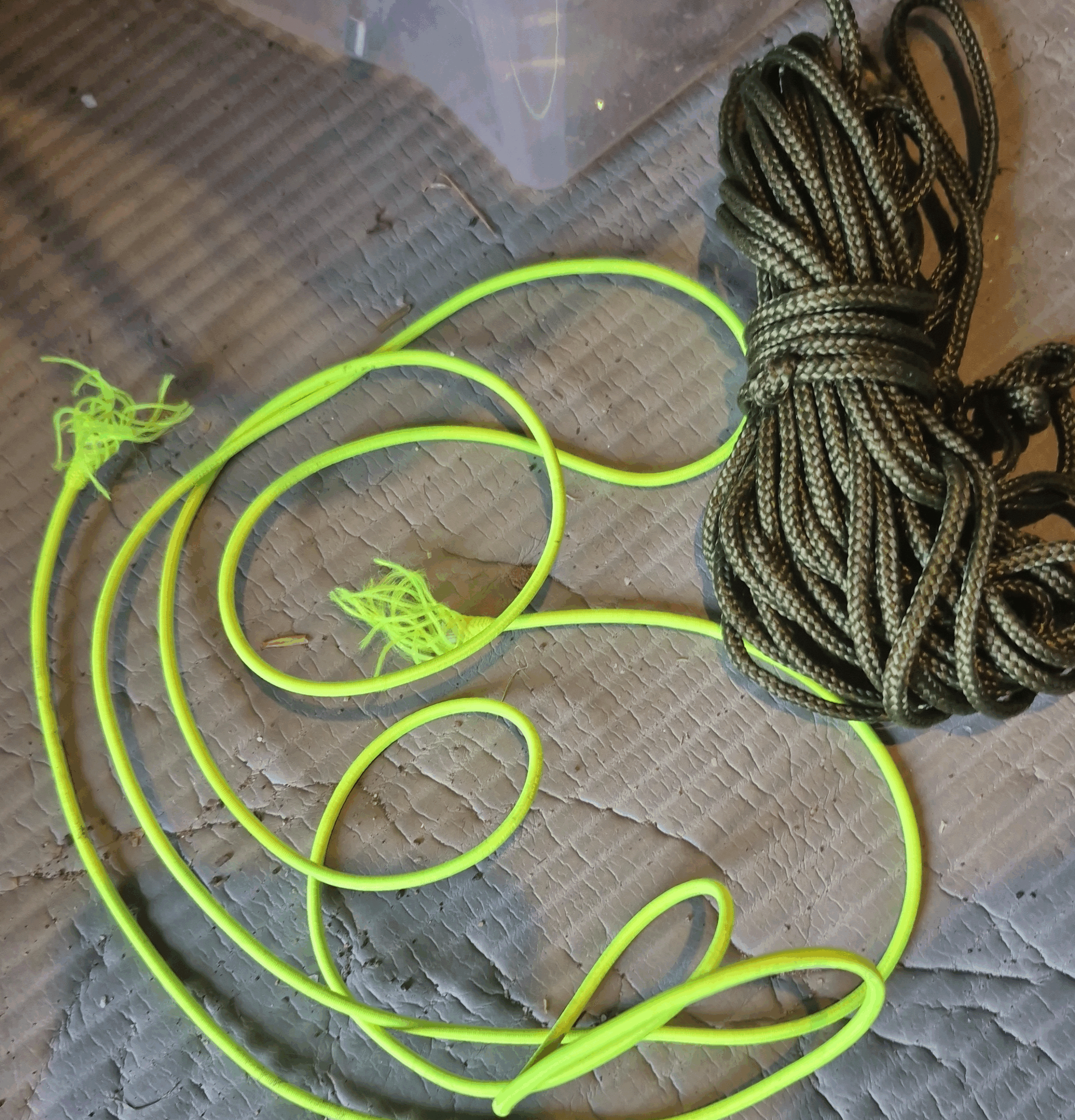
Paracord & bungee cord
Small stuff sack
Osprey bag liner
Foldable sit mat
Leki Khumber Lite AS trekking poles
This come in at 11.kg without food or water. I definitely think I could lighten up on the tarp and bivvy bag. I have a Mountain Warehouse bivvy but I’m not sure how strong or water proof it is compared to the safe and sturdy British Army bivvy. It is all a trade off.
I feel like I have enough kit to make it a few days out, and that’s one of my goals to hit some remote locations for a wild camp and to stay in the same spot for a day or two. Obviously leaving no trace!
What are some suggestions or changes I can make? Add to the comments below!

Leave a Reply